Introduction
Thalassemia is an inherited blood disorder that reduces the body’s ability to produce normal hemoglobin, the protein in red blood cells responsible for carrying oxygen. Depending on the type and severity, patients may experience mild anemia or require regular blood transfusions throughout their lives.
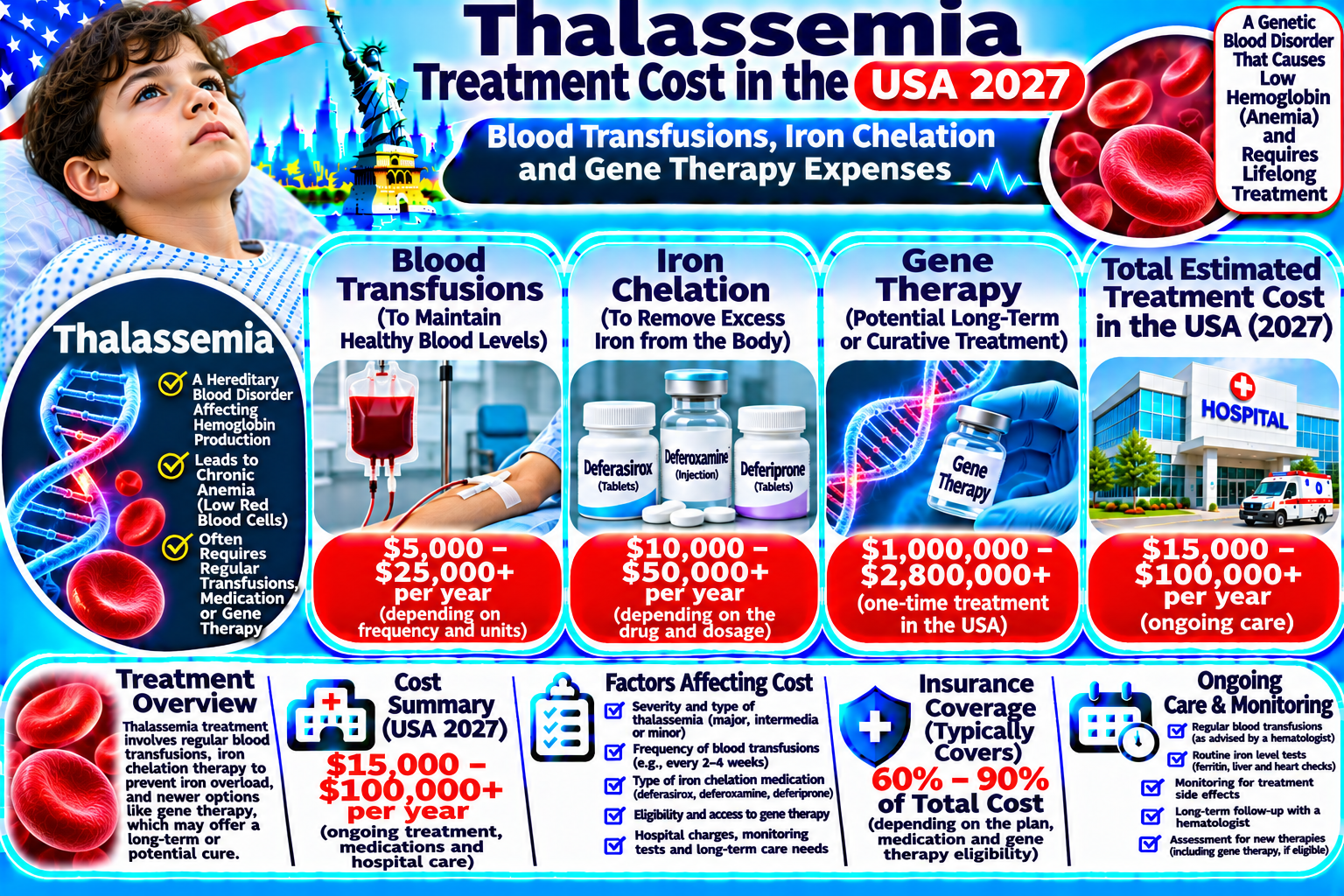
Understanding thalassemia treatment costs in the USA in 2027 is important for patients and families comparing blood transfusions, iron chelation medications, hematologist consultations, stem cell transplantation, and advanced gene therapies.
Some individuals with thalassemia need only occasional monitoring. Others require frequent hospital visits, expensive medications, and specialized treatment to prevent complications involving the heart, liver, and endocrine system.
Newer gene therapies offer potentially transformative treatment options for selected patients with transfusion-dependent beta thalassemia. However, their high upfront prices and complex hospital requirements create significant financial considerations.
This guide explains estimated American thalassemia treatment expenses for 2027, including diagnostic tests, transfusion programs, iron overload management, gene therapy, hospital fees, and insurance coverage.
What Is Thalassemia?
Thalassemia is a group of inherited conditions caused by genetic changes that affect hemoglobin production. Hemoglobin contains alpha and beta globin chains, and different forms of thalassemia develop when production of these chains is reduced.
Alpha thalassemia involves reduced alpha globin production, while beta thalassemia affects beta globin production.
Disease severity varies considerably. Individuals with a carrier state may have few symptoms, while patients with severe disease can develop profound anemia, growth problems, and organ complications.
Transfusion-dependent thalassemia describes patients who require regular red blood cell transfusions to maintain adequate hemoglobin levels.
Common Symptoms of Thalassemia
- Persistent fatigue and weakness.
- Pale or yellowish skin.
- Shortness of breath.
- Rapid heartbeat.
- Poor growth in children.
- Delayed puberty.
- Enlarged spleen.
- Bone changes in severe untreated disease.
- Abdominal discomfort.
- Complications related to iron overload.
Symptoms depend on the thalassemia subtype, hemoglobin level, age, and treatment history.
How Is Thalassemia Diagnosed?
Complete Blood Count
A complete blood count measures hemoglobin concentration, red blood cell size, and other blood parameters. Many patients with thalassemia have smaller-than-normal red blood cells.
Hemoglobin Analysis
Hemoglobin electrophoresis or high-performance liquid chromatography can help identify abnormal hemoglobin patterns and support the diagnosis of beta thalassemia.
Genetic Testing
Genetic testing can confirm specific alpha or beta globin gene variants and may support family planning or advanced treatment eligibility assessments.
Iron Studies
Ferritin and other iron measurements help evaluate iron stores. Iron deficiency should be distinguished from thalassemia before iron supplements are prescribed.
Organ Assessment
Patients with severe disease may need cardiac evaluations, liver imaging, endocrine testing, and magnetic resonance imaging to assess iron accumulation.
Thalassemia Treatment Options
Regular Blood Transfusions
Patients with transfusion-dependent thalassemia typically receive scheduled red blood cell transfusions to maintain hemoglobin levels and reduce complications associated with chronic anemia.
Iron Chelation Therapy
Repeated transfusions introduce additional iron into the body. Iron chelation medications help remove excess iron and protect the heart, liver, and other organs.
Supportive Medical Care
Patients may require nutritional assessment, vaccination, endocrine treatment, bone health monitoring, and management of other complications.
Hematopoietic Stem Cell Transplantation
Allogeneic stem cell transplantation may provide a cure for selected patients, particularly when a suitable donor is available.
Gene Therapy
Gene therapy uses a patient’s own blood-forming stem cells, which are collected and genetically modified or edited before being returned after conditioning treatment.
Eligibility depends on the specific approved product, diagnosis, age, clinical condition, and treatment center requirements.
Thalassemia Treatment Cost in the USA in 2027
Thalassemia expenses vary according to disease severity, transfusion frequency, iron chelation needs, hospital location, and advanced treatment eligibility.
Routine care creates recurring annual costs, while stem cell transplantation and gene therapy can involve substantial one-time treatment expenses.
The following amounts are illustrative 2027 budgeting estimates rather than verified future prices, national averages, or guaranteed insurance payments.
Estimated USA Treatment Cost Breakdown
| Treatment or Service | Estimated Cost (USD) |
|---|---|
| Hematologist Consultation | $200–$800 per visit |
| Blood Count and Hemoglobin Testing | $50–$500 per episode |
| Genetic Testing | $300–$3,000+ |
| Red Blood Cell Transfusion | $1,000–$5,000+ per visit |
| Iron Chelation Medication | $500–$10,000+ monthly |
| Cardiac or Liver Iron MRI | $1,000–$5,000+ per study |
| Iron Monitoring Laboratory Tests | $100–$600 per episode |
| Hospitalization for Complications | $10,000–$80,000+ per admission |
| Allogeneic Stem Cell Transplant | $250,000–$900,000+ per episode |
| Casgevy Gene Therapy Product | Approximately $2.2 million list price |
| Zynteglo Gene Therapy Product | Approximately $2.8 million list price |
| Gene Therapy Hospital and Supportive Care | $100,000–$500,000+ additional planning allowance |
Important: The gene therapy product amounts are approximate historically announced US list prices, not verified 2027 transaction prices. Hospital costs, cell collection, conditioning chemotherapy, and follow-up services may be billed separately or included in negotiated treatment packages.
USA Thalassemia Treatment Cost Comparison
Because this guide focuses on the United States, the following table compares different American treatment scenarios rather than international countries.
| USA Treatment Scenario | Illustrative Budget |
|---|---|
| Mild Thalassemia With Monitoring | $300–$3,000+ annually |
| Regular Transfusion and Iron Chelation | $30,000–$200,000+ annually |
| Stem Cell Transplant Treatment Year | $300,000–$1 million+ |
| Gene Therapy Treatment Episode | $2.3 million–$3.5 million+ gross planning estimate |
These scenarios are illustrative and do not represent standardized treatment packages. Not all patients require regular transfusions, transplantation, or gene therapy.
Blood Transfusion Costs for Thalassemia
Regular red blood cell transfusions are essential for many patients with severe beta thalassemia. They increase circulating hemoglobin, improve oxygen delivery, and help prevent complications associated with chronic anemia.
Patients with transfusion-dependent thalassemia may require transfusions every few weeks. The exact interval depends on age, hemoglobin targets, clinical condition, and specialist recommendations.
Each treatment visit may involve blood compatibility testing, blood products, administration supplies, nursing care, and monitoring for adverse reactions.
Hospital-based transfusion centers may charge differently from independent outpatient facilities. Insurance-negotiated rates can substantially reduce the amount paid compared with gross hospital charges.
Annual Blood Transfusion Expenses
For patients requiring frequent transfusions, the cumulative annual cost can be substantial. A person receiving approximately 12 to 20 transfusion visits annually may incur tens of thousands of dollars in gross medical charges.
Costs depend on the number of red blood cell units administered, facility fees, pretransfusion testing, and complications.
Patients may also require specially matched blood products to reduce the risk of developing antibodies against transfused red blood cells.
These services can increase expenses but may improve transfusion safety for patients requiring lifelong treatment.
Iron Chelation Therapy Costs
Iron overload is a major concern for patients receiving repeated transfusions. The human body cannot efficiently eliminate large amounts of excess iron, which can accumulate in the liver, heart, and endocrine organs.
Iron chelation therapy helps remove excess iron and reduces the risk of serious complications.
Common medications include:
- Deferasirox, an oral iron chelator.
- Deferiprone, another oral treatment option.
- Deferoxamine, administered through injection or infusion.
Medication selection depends on iron burden, organ involvement, tolerability, kidney function, liver function, and other clinical considerations.
Generic availability can reduce costs for some patients, while specific formulations and higher doses may remain expensive.
Deferasirox and Deferiprone Expenses
Deferasirox is frequently prescribed because it can be taken orally. Patients require monitoring of kidney function, liver enzymes, blood counts, and iron levels.
Deferiprone may be useful in selected patients, including those with particular iron overload concerns. It requires regular blood count monitoring because serious neutropenia or agranulocytosis can occur.
The total annual expense includes medication refills, laboratory testing, specialist consultations, and any treatment-related complications.
Patients should not change chelation medication or dosage without guidance from their hematologist.
Gene Therapy Costs for Beta Thalassemia
Gene therapy represents a major development in the treatment of transfusion-dependent beta thalassemia. Instead of relying exclusively on repeated transfusions, these treatments modify a patient’s own blood-forming stem cells to improve hemoglobin production.
Two important gene therapy products are Casgevy and Zynteglo.
Both involve specialized stem cell collection, manufacturing, conditioning chemotherapy, and treatment at an authorized center.
Although these therapies are administered as a single modified stem cell infusion, the overall treatment process can extend over several months and requires long-term follow-up.
Casgevy Gene Editing Treatment
Casgevy contains exagamglogene autotemcel, a CRISPR-based gene-edited cell therapy. It modifies a patient’s blood stem cells to increase fetal hemoglobin production.
In 2026, its United States indication for transfusion-dependent beta thalassemia was expanded to include eligible patients aged two years and older.
The therapy has demonstrated high rates of sustained transfusion independence in clinical studies, although results cannot be guaranteed for every patient.
Its historically announced US product list price was approximately $2.2 million, excluding potentially separate treatment-related expenses.
Zynteglo Gene Therapy Expenses
Zynteglo contains betibeglogene autotemcel, a gene-addition therapy designed to help patients produce functional hemoglobin.
It is approved for adult and pediatric patients with beta thalassemia who require regular red blood cell transfusions.
Its historically announced US product price was approximately $2.8 million.
Patients require specialized evaluation, stem cell collection, conditioning chemotherapy, hospital care, and long-term safety monitoring.
Gene therapy is not suitable for every patient. Eligibility and potential benefits must be assessed by an experienced treatment team.
Hospital Fees During Gene Therapy
Gene therapy expenses extend beyond the product price. Treatment requires highly specialized hospital resources and coordination.
Potential charges include:
- Pre-treatment medical evaluations.
- Stem cell mobilization and collection.
- Cell processing and manufacturing coordination.
- Conditioning chemotherapy.
- Inpatient hospital accommodation.
- Blood transfusions and supportive care.
- Infection prevention and treatment.
- Laboratory testing and specialist monitoring.
- Long-term follow-up appointments.
Conditioning chemotherapy can cause serious adverse effects, including infections and infertility. Fertility preservation counseling may therefore be appropriate before treatment.
Stem Cell Transplantation Costs
Allogeneic hematopoietic stem cell transplantation is another potentially curative treatment for selected patients with severe thalassemia.
Unlike autologous gene therapy, this procedure uses stem cells from a suitable donor.
Costs depend on donor compatibility, transplant preparation, hospital stay, complications, and follow-up care.
Potential risks include graft-versus-host disease, graft rejection, infection, and treatment-related organ damage.
Families should compare clinical suitability and long-term risks rather than choosing treatment based solely on price.
Long-Term Monitoring and Organ Care
Patients with transfusion-dependent thalassemia require ongoing assessment of iron overload and potential organ complications.
Common monitoring services include:
- Serum ferritin testing.
- Liver iron concentration MRI.
- Cardiac iron MRI.
- Electrocardiograms and echocardiograms.
- Blood glucose and endocrine testing.
- Bone density evaluation.
- Kidney and liver function monitoring.
Even after successful gene therapy or transplantation, patients may need continued monitoring for existing iron overload and long-term treatment effects.
Thalassemia Treatment With Health Insurance
Many comprehensive American health insurance plans cover medically necessary thalassemia treatment, including blood transfusions, diagnostic testing, iron chelation medication, and specialist consultations.
Stem cell transplantation and gene therapy may require extensive prior authorization and treatment at approved facilities.
Important insurance considerations include:
- Annual deductible and out-of-pocket maximum.
- Blood transfusion coverage.
- Iron chelation drug formularies.
- Specialty pharmacy requirements.
- Gene therapy authorization criteria.
- Approved treatment center networks.
- Hospital and chemotherapy benefits.
- Travel and accommodation assistance.
Patients should request written coverage decisions and detailed estimates before beginning high-cost treatment.
Medicare and Medicaid Coverage
Medicare may cover eligible thalassemia services for qualifying beneficiaries according to applicable medical necessity and benefit rules.
Medicare Part B may cover certain outpatient transfusions and physician services, while Part D may cover eligible prescription medications.
Medicaid and the Children’s Health Insurance Program may provide coverage for eligible patients, although treatment authorization and specialty drug policies vary by state.
Gene therapy coverage should be verified individually because eligibility, reimbursement arrangements, and participating treatment centers differ.
Factors Influencing Thalassemia Treatment Prices
1. Disease Severity
Patients with mild thalassemia may require only monitoring, while transfusion-dependent patients face recurring treatment expenses.
2. Transfusion Frequency
More frequent transfusions increase blood product, facility, and laboratory costs.
3. Iron Chelation Medication
Drug selection, prescribed dose, formulation, and monitoring requirements affect annual expenses.
4. Hospital Location
Specialized treatment centers and hospitals may have different charges and insurance-negotiated rates.
5. Insurance Coverage
Deductibles, coinsurance, network restrictions, and prior authorization influence patient financial responsibility.
6. Advanced Treatment Eligibility
Stem cell transplantation and gene therapy involve different clinical requirements, hospital services, and long-term follow-up needs.
How to Reduce Thalassemia Treatment Costs
- Verify insurance benefits before scheduling treatment.
- Use participating hematologists and transfusion centers.
- Ask about appropriate generic iron chelation medications.
- Compare covered outpatient treatment facilities.
- Request detailed gene therapy cost estimates.
- Review manufacturer patient support programs.
- Explore Medicaid and other public insurance eligibility.
- Consult hospital financial counselors.
Patients should never delay necessary transfusions or discontinue prescribed iron chelation therapy solely because of cost without consulting their medical team.
Frequently Asked Questions
How much does thalassemia treatment cost in the USA in 2027?
Illustrative annual expenses range from relatively modest monitoring costs for mild disease to more than $100,000 for some patients requiring frequent transfusions and expensive iron chelation therapy.
How much do blood transfusions cost?
A transfusion visit may generate thousands of dollars in gross charges, depending on the number of blood units, hospital setting, and additional services.
Is iron chelation therapy expensive?
Costs vary widely. Some generic medications are relatively affordable, while higher-dose or specialized formulations can create substantial monthly expenses.
How much does thalassemia gene therapy cost?
Historically announced US product prices were approximately $2.2 million for Casgevy and $2.8 million for Zynteglo. Hospital and supportive care expenses may be additional.
Does insurance cover gene therapy?
Coverage depends on the patient’s insurance policy, medical eligibility, authorization requirements, and treatment center arrangements.
Can thalassemia be cured?
Selected patients may achieve long-term transfusion independence through stem cell transplantation or gene therapy. Treatment outcomes and long-term risks vary.
Conclusion
Thalassemia treatment costs in the USA in 2027 depend on blood transfusions, iron chelation medications, hematologist consultations, hospital expenses, stem cell transplantation, and gene therapy.
Routine treatment can create substantial recurring expenses, while advanced therapies involve exceptionally high upfront costs and specialized hospital care.
Patients and families should compare complete treatment estimates, verify insurance benefits, and consult experienced hematology specialists.
Early diagnosis, appropriate transfusion management, effective iron chelation, and careful financial planning can help patients manage the long-term healthcare expenses associated with thalassemia.
Medical Disclaimer: This article provides general educational and financial planning information only. It does not replace professional medical advice, diagnosis, or treatment. All 2027 cost ranges are illustrative estimates and should be verified directly with healthcare providers, hospitals, pharmacies, and insurance companies.
