Introduction
Primary biliary cholangitis (PBC) is a chronic autoimmune liver disease that gradually damages the small bile ducts inside the liver. These ducts normally transport bile, a digestive fluid that helps the body absorb fats and eliminate certain waste products. When bile ducts become inflamed and damaged, bile can accumulate within the liver, causing inflammation, scarring, and potentially cirrhosis.
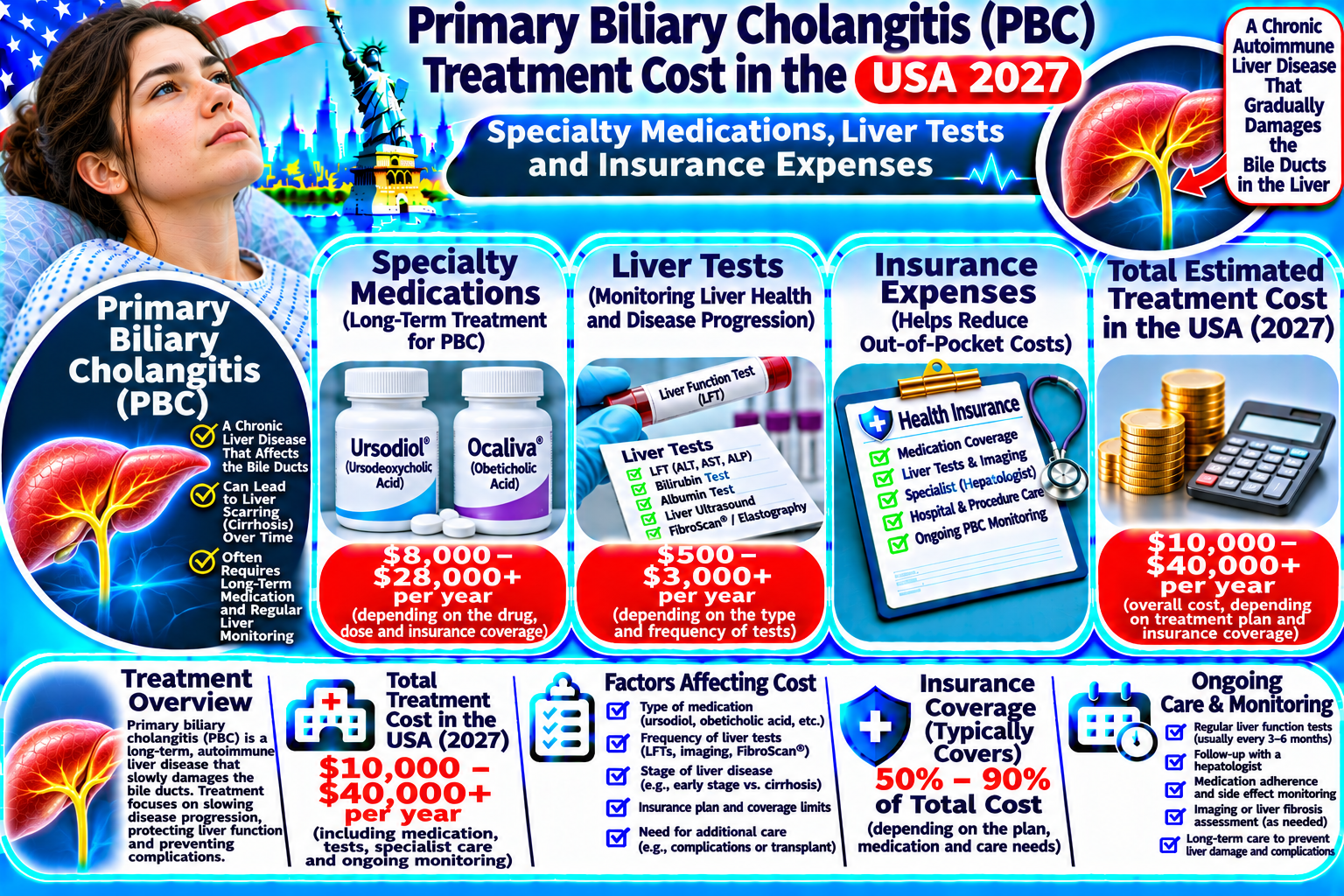
Understanding primary biliary cholangitis treatment costs in the USA in 2027 is important for patients and families comparing specialty medications, liver function tests, hepatologist consultations, diagnostic procedures, and health insurance coverage.
Many patients manage PBC with ursodeoxycholic acid and routine monitoring. Others require expensive second-line medications, treatment for persistent itching, or additional care for advanced liver disease.
This comprehensive guide explains estimated American PBC treatment expenses for 2027, including prescription drugs, diagnostic testing, liver imaging, specialist appointments, hospital care, and insurance benefits.
What Is Primary Biliary Cholangitis?
Primary biliary cholangitis is an immune-mediated condition that primarily affects the small bile ducts within the liver. It was previously known as primary biliary cirrhosis, although many patients do not have cirrhosis when diagnosed.
The disease develops when immune activity damages bile duct cells, disrupting normal bile flow. This process is called cholestasis.
Over time, persistent inflammation can contribute to liver fibrosis and, in some patients, cirrhosis or liver failure.
PBC is more frequently diagnosed in women, particularly during middle adulthood, although it can affect people of different ages and sexes.
Early diagnosis and appropriate treatment can slow disease progression and improve long-term outcomes.
Common Symptoms of Primary Biliary Cholangitis
- Persistent fatigue and reduced energy.
- Itching, also called pruritus.
- Dry eyes and dry mouth.
- Discomfort in the upper right abdomen.
- Difficulty sleeping because of itching.
- Dark urine or pale stools in advanced disease.
- Yellowing of the skin or eyes.
- Bone density loss.
- Vitamin deficiencies in selected patients.
- Swelling or fluid retention in advanced liver disease.
Some patients have no noticeable symptoms when diagnosed. Abnormal liver blood tests may be the first indication of the condition.
How Is Primary Biliary Cholangitis Diagnosed?
Liver Function Blood Tests
Blood tests often show increased alkaline phosphatase (ALP), an enzyme associated with bile duct injury. Bilirubin, albumin, and other measurements help assess liver function.
Antimitochondrial Antibody Testing
Antimitochondrial antibodies, or AMA, are detected in most patients with PBC and can strongly support the diagnosis when compatible liver abnormalities are present.
Additional Autoimmune Antibody Tests
Anti-gp210 and anti-sp100 antibodies may help evaluate suspected PBC when AMA testing is negative.
Liver Ultrasound
Ultrasound helps exclude bile duct obstruction and assess liver structure. It may also identify complications requiring additional investigation.
FibroScan and Liver Stiffness Testing
Transient elastography, commonly known as FibroScan, estimates liver stiffness and helps assess fibrosis risk without a surgical procedure.
Liver Biopsy
A liver biopsy is not necessary for every patient. It may be recommended when diagnosis remains uncertain or another liver condition is suspected.
Primary Biliary Cholangitis Treatment Options
Ursodeoxycholic Acid
Ursodeoxycholic acid (UDCA), also called ursodiol, is the standard first-line treatment for PBC. It improves bile flow and liver biochemical measurements and can reduce the risk of disease progression.
Patients generally continue treatment long term, with dosing determined by body weight and clinical assessment.
Elafibranor (Iqirvo)
Elafibranor is a specialty oral medication approved for eligible adults with an inadequate response to UDCA or who cannot tolerate UDCA.
It acts on peroxisome proliferator-activated receptors involved in metabolic and inflammatory pathways.
Seladelpar (Livdelzi)
Seladelpar is another approved second-line medication for eligible adults with PBC. It may improve liver biochemical measurements and reduce itching in selected patients.
Itching Management
Patients experiencing cholestatic itching may receive symptom-directed treatment, including bile acid sequestrants or other therapies chosen by their specialist.
Bone Health and Nutritional Support
Patients may need bone density assessments, vitamin supplementation, and nutritional counseling, depending on disease severity and individual risk factors.
Liver Transplantation
Liver transplantation may be considered for advanced liver failure or selected patients with severe complications that cannot be controlled through other treatments.
Primary Biliary Cholangitis Treatment Cost in the USA in 2027
PBC treatment expenses vary according to medication selection, disease severity, laboratory monitoring, specialist fees, insurance coverage, and hospital utilization.
Generic ursodiol is usually substantially less expensive than newer specialty medications. Advanced liver complications can create additional hospitalization and procedure expenses.
The following amounts are illustrative 2027 budgeting estimates rather than verified future prices, national averages, or guaranteed patient payments.
Estimated USA Treatment Cost Breakdown
| Treatment or Service | Estimated Cost (USD) |
|---|---|
| Initial Hepatologist Consultation | $250–$900 per visit |
| Follow-Up Specialist Appointment | $150–$500 per visit |
| Liver Blood Test Panel | $50–$400 per testing episode |
| Autoimmune Antibody Testing | $150–$800+ |
| Liver Ultrasound | $200–$1,200+ |
| FibroScan Assessment | $200–$800+ |
| Liver Biopsy | $2,000–$8,000+ |
| Generic Ursodiol | $30–$300+ monthly |
| Iqirvo (Elafibranor) | $9,000–$16,000+ monthly |
| Livdelzi (Seladelpar) | $9,000–$16,000+ monthly |
| Itching Management Medication | $20–$1,000+ monthly |
| Hospitalization for Liver Complications | $10,000–$80,000+ per admission |
| Liver Transplant Treatment Episode | $700,000–$1.8 million+ |
Important: These are hypothetical gross-cost planning ranges. Specialty drug prices are not confirmed 2027 list prices. Actual charges and patient payments vary with dosage, insurance negotiations, pharmacy contracts, treatment duration, and medical necessity.
USA Annual PBC Treatment Cost Comparison
Because this article focuses on the United States, the following table compares American treatment scenarios rather than international countries.
| USA Treatment Scenario | Illustrative Annual Budget |
|---|---|
| Stable PBC With Generic Ursodiol | $1,000–$7,000+ |
| PBC With Frequent Monitoring | $3,000–$12,000+ |
| PBC With Specialty Medication | $110,000–$210,000+ |
| Advanced PBC With Hospital Care | $20,000–$150,000+ |
| Liver Transplant Treatment Year | $750,000–$2 million+ |
These scenarios are illustrative examples rather than standardized medical packages. Patients do not necessarily require every medication, procedure, or hospital service listed.
Ursodiol Treatment Costs for PBC
Ursodiol is the standard first-line medication for primary biliary cholangitis. It helps improve bile flow, reduces abnormal liver enzyme levels, and slows disease progression in many patients.
Generic ursodiol is generally more affordable than newer specialty treatments. However, its total cost depends on the prescribed dose, tablet strength, pharmacy pricing, and insurance coverage.
The commonly recommended daily dose is approximately 13 to 15 milligrams per kilogram of body weight. A hepatologist determines the appropriate regimen based on individual circumstances.
Patients usually continue treatment for many years. Their response is assessed through liver blood tests, particularly alkaline phosphatase and bilirubin measurements.
Iqirvo Specialty Medication Expenses
Iqirvo contains elafibranor, an oral medication approved for eligible adults with primary biliary cholangitis who respond inadequately to ursodiol or cannot tolerate it.
Elafibranor acts on specific receptors involved in metabolic regulation and liver inflammation. It may improve biochemical markers associated with disease activity.
The medication received accelerated FDA approval based on improvements in alkaline phosphatase. A proven improvement in survival or prevention of liver decompensation has not yet been established.
Iqirvo is a high-cost specialty medication, so insurance authorization, pharmacy participation, and manufacturer assistance eligibility can significantly affect patient expenses.
Patients require monitoring for adverse effects, drug interactions, and changes in liver function.
Livdelzi Medication Costs
Livdelzi contains seladelpar, a selective peroxisome proliferator-activated receptor delta agonist approved for eligible adults with PBC.
It may be prescribed alongside ursodiol when the response is inadequate or used alone when ursodiol cannot be tolerated.
Clinical studies have demonstrated improvements in biochemical treatment response, and some patients experience reduced itching.
Livdelzi is generally dispensed through specialty pharmacy arrangements. Its annual expense depends on medication pricing, insurance coverage, and treatment duration.
Like other advanced treatments, it requires appropriate monitoring. Patients with decompensated cirrhosis require different management considerations.
Important Changes in PBC Medications
The American treatment landscape for primary biliary cholangitis has changed substantially in recent years.
Obeticholic acid, previously marketed as Ocaliva, was formerly used as a second-line treatment. Its United States approval was withdrawn in November 2025, and it should not be considered a currently available routine American treatment option.
Newer medications such as elafibranor and seladelpar have expanded treatment choices for patients with an inadequate response to ursodiol.
Other medications may be considered for selected symptoms or clinical circumstances. Treatment decisions should follow current prescribing information and specialist guidance.
Liver Function Test Expenses
Regular liver blood tests are essential for evaluating PBC treatment effectiveness and identifying disease progression.
Common measurements include:
- Alkaline phosphatase.
- Total bilirubin.
- Alanine aminotransferase.
- Aspartate aminotransferase.
- Albumin.
- Blood clotting measurements when indicated.
Patients beginning a new specialty medication may require more frequent monitoring than those with stable disease.
Laboratory expenses depend on testing frequency, the number of measurements ordered, and whether the laboratory participates in the patient’s insurance network.
FibroScan and Liver Imaging Costs
FibroScan is a noninvasive method used to estimate liver stiffness and assess the likelihood of fibrosis.
It can help identify patients who may require closer monitoring or additional treatment.
Ultrasound may be recommended to investigate liver abnormalities or evaluate complications of cirrhosis.
Patients with cirrhosis may require regular surveillance for hepatocellular carcinoma according to specialist recommendations.
Advanced imaging is not necessary at every appointment, and testing schedules should reflect individual clinical risk.
Itching Treatment Expenses
Persistent itching is one of the most troublesome symptoms of primary biliary cholangitis.
Cholestyramine is commonly used as an initial treatment for cholestatic itching. Other medications may be considered when symptoms remain difficult to control.
Cholestyramine can interfere with the absorption of other medications, making appropriate dose separation important.
Patients may also require dermatological assessment or additional symptom management.
Newer approaches to cholestatic itching continue to evolve. Medication availability, approval status, and insurance coverage should be checked at the time of treatment.
Hospital Expenses for Advanced Liver Disease
Some patients develop advanced liver fibrosis, cirrhosis, or complications requiring hospital treatment.
Potential complications include fluid accumulation in the abdomen, gastrointestinal bleeding, hepatic encephalopathy, and severe infections.
Hospital charges may include:
- Emergency department assessment.
- Specialist consultations.
- Laboratory testing and imaging.
- Intravenous medications.
- Endoscopic procedures.
- Hospital room and nursing services.
- Intensive care when necessary.
The final hospital bill depends on disease severity, procedures performed, and length of admission.
Liver Transplantation Costs
Liver transplantation may be considered for selected patients with advanced PBC-related liver failure or severe complications that cannot be adequately managed through other treatments.
The procedure involves extensive evaluation, donor organ coordination, major surgery, hospitalization, and long-term follow-up.
After transplantation, patients generally require lifelong immunosuppressive medication to prevent rejection.
Additional expenses may include infection prevention, laboratory monitoring, imaging, and specialist consultations.
Transplant costs are not routine expenses for most people with PBC.
Primary Biliary Cholangitis Treatment With Health Insurance
Many comprehensive American health insurance plans cover medically necessary PBC treatment, including hepatologist consultations, liver blood tests, diagnostic imaging, and eligible prescription medications.
However, specialty medications may require prior authorization and documentation of inadequate response or intolerance to first-line therapy.
Important insurance considerations include:
- Annual deductible and out-of-pocket maximum.
- Ursodiol prescription coverage.
- Iqirvo and Livdelzi formulary status.
- Specialty pharmacy requirements.
- Hepatologist network participation.
- Liver imaging and laboratory benefits.
- Hospitalization coverage.
- Copayments and coinsurance.
Patients should distinguish between medication list prices, insurance-negotiated payments, and their actual out-of-pocket responsibility.
Medicare and Medicaid Coverage
Medicare may cover qualifying PBC treatment for eligible beneficiaries under applicable medical necessity and benefit rules.
Medicare Part B may cover certain outpatient consultations and diagnostic tests, while Part D may cover eligible prescription medications.
Medicaid may provide coverage for eligible individuals, although drug formularies, authorization requirements, and specialist access vary by state.
Patients should review their specific plan documents before beginning expensive treatment.
Factors Influencing PBC Treatment Prices
1. Medication Selection
Generic ursodiol is generally less expensive than newer specialty medications such as Iqirvo and Livdelzi.
2. Disease Severity
Patients with advanced fibrosis, cirrhosis, or liver complications may require more intensive healthcare services.
3. Monitoring Frequency
Frequent laboratory testing, imaging, and specialist appointments increase annual medical expenses.
4. Hospital and Healthcare Location
Hospital charges, specialist fees, and diagnostic testing prices differ across American healthcare systems.
5. Insurance Coverage
Deductibles, prior authorization, negotiated rates, and pharmacy network rules influence patient financial responsibility.
6. Additional Medical Conditions
Osteoporosis, autoimmune disorders, and complications of chronic liver disease may increase overall healthcare spending.
How to Reduce PBC Treatment Costs
- Verify prescription coverage before starting treatment.
- Ask about appropriate generic ursodiol options.
- Use participating hepatologists and laboratories.
- Compare covered specialty pharmacy services.
- Request written estimates for expensive procedures.
- Review manufacturer patient assistance eligibility.
- Explore Medicare or Medicaid coverage options.
- Consult hospital financial counselors.
Patients should never stop prescribed liver medications or change treatment schedules without consulting their healthcare professional.
Frequently Asked Questions
How much does PBC treatment cost in the USA in 2027?
Illustrative annual expenses may range from a few thousand dollars for stable disease treated with generic medication to more than $100,000 when specialty drugs are required.
Is ursodiol expensive?
Generic ursodiol is usually substantially less expensive than newer PBC specialty medications. Actual costs depend on dosage, pharmacy, and insurance benefits.
How expensive are Iqirvo and Livdelzi?
These specialty medications may cost thousands of dollars monthly before insurance adjustments. Patients should request current pharmacy quotations and review financial assistance options.
Does insurance cover liver function tests?
Many comprehensive plans cover medically necessary liver testing, subject to deductibles, copayments, and network requirements.
Can primary biliary cholangitis be cured?
There is no established medication that universally cures PBC. Treatment can slow progression and improve biochemical markers. Liver transplantation may be necessary in advanced cases.
Is lifelong monitoring necessary?
Ongoing monitoring is generally recommended because disease activity, liver function, and treatment response can change over time.
Conclusion
Primary biliary cholangitis treatment costs in the USA in 2027 depend on specialty medications, ursodiol therapy, liver function tests, hepatologist consultations, hospital expenses, and insurance coverage.
Many patients can manage the condition with first-line medication and regular monitoring. Others may require expensive second-line treatment or additional care for advanced liver disease.
Patients should compare complete treatment estimates, verify insurance benefits, and work closely with experienced liver specialists.
Early diagnosis, appropriate medication, regular liver monitoring, and careful financial planning can help patients manage the long-term healthcare expenses associated with PBC.
Medical Disclaimer: This article provides general educational and financial planning information only. It does not replace professional medical advice, diagnosis, or treatment. All 2027 cost ranges are illustrative estimates and should be verified directly with healthcare providers, pharmacies, hospitals, and insurance companies.
